
Bridging Barriers: Assistive Technology Innovation by TeraBridges
How FTC Team 18603 Is Transforming Accessibility Through STEM
Our interest in assistive technology began when we learned about a teammate’s neighbor—a quadriplegic fourth grader who plays video games using a quad stick held in his mouth. His determination and creativity showed us how transformative the right tools can be, inspiring us to design assistive solutions for children with disabilities.
Since then, our work has focused on adapting ride-on cars, building adaptive switches that let toddlers interact with simple toys, and creating 3D-printed frames that help kids who use wheelchairs play soccer. These technologies promote independence, expand access to play and learning, and empower children to participate more confidently alongside their peers. For the past two years, this project has become one of the team’smost impactful initiatives.
Why TeraBridges’ Assistive Tech Work Stands Out
- User-centered engineering: Each device is designed around the person’s specific needs.
- Affordability: Many adaptive technologies are cost-prohibitive; TeraBridges uses low-cost materials and 3D printing.
- Educational impact: Students learn empathy-driven design while applying
- robotics knowledge to real problems.
- Long-term scalability: These solutions can be replicated by other teams, schools, and nonprofits.
TeraBridges is not just building robots—we are building life-changing opportunities.
Assistive Technology Projects Developed by TeraBridges
Adaptive Ride-On Cars (Go Baby Go Program)
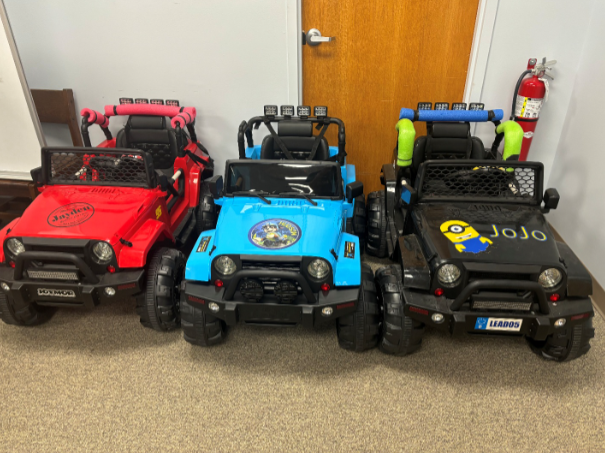
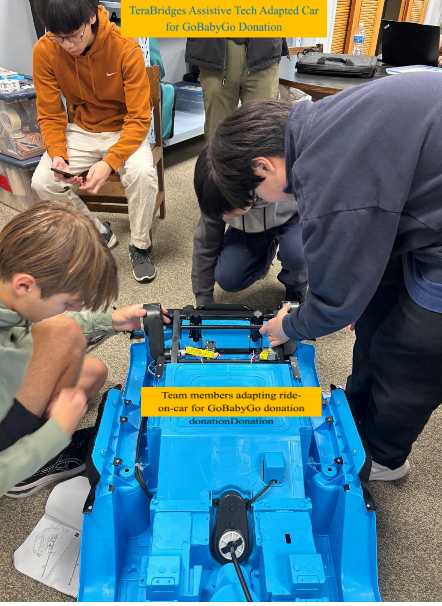
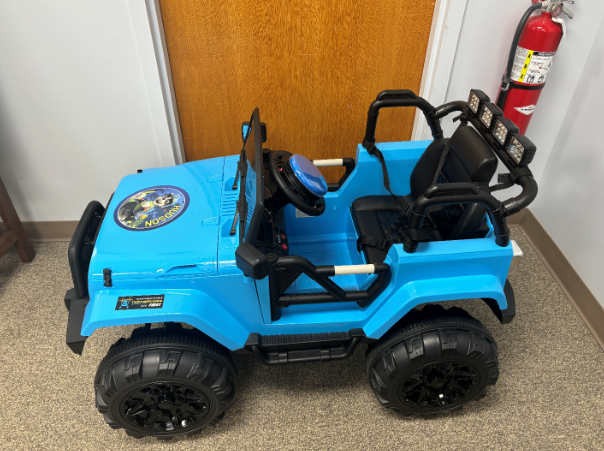
Through our partnership with Chatham University’s Go Baby Go program, our team focuses on customizing electric ride-on cars for children with mobility impairments. We modify these vehicles with adaptive controls, specialized harnessing, and accessible switches, allowing kids to explore their environment safely and independently. As an added safety feature, our team also developed an integrated remote-control system that enables parents to assist or take control when needed.
3D-Printed Adaptive Switches for Assistive Toys
3D-Printed Adaptive Switches for Assistive Toys
Adaptive switches are simple devices that open the door to play, learning, and independence for children with limited motor control. Our adapted bubble blowers make it possible for kids to enjoy the simple joy of bubbles, while our 3D-printed adaptive switches allow them to activate toys or devices with just a gentle press. Seeing how children respond to these tools reminds our team that even small engineering projects can make a meaningful difference in a child’s happiness and independence. Furthermore, our 3D printing makes adaptive switches more affordable and customizable. We donated two bubble blowers to Child’s Way in Pittsburgh, and plan to half a dozen toys with assistive switches to Sei Sanjeevani , a cerebral Palsy rehab center in India during winter break.
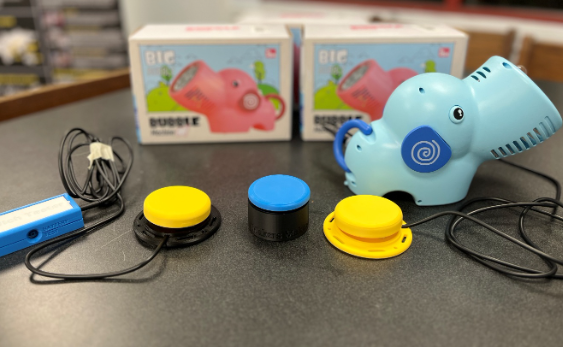
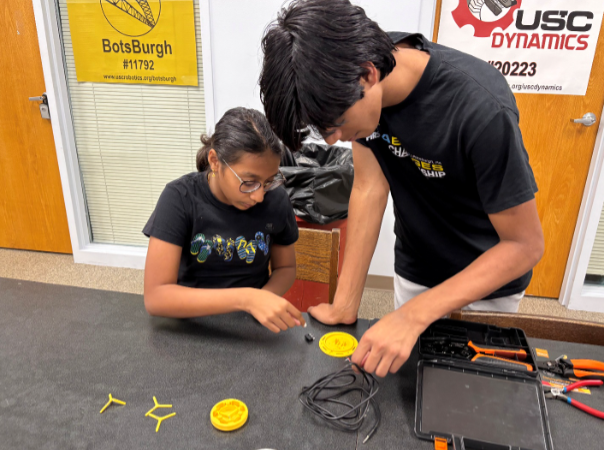
Team members building 3D printed assistive switches for toys
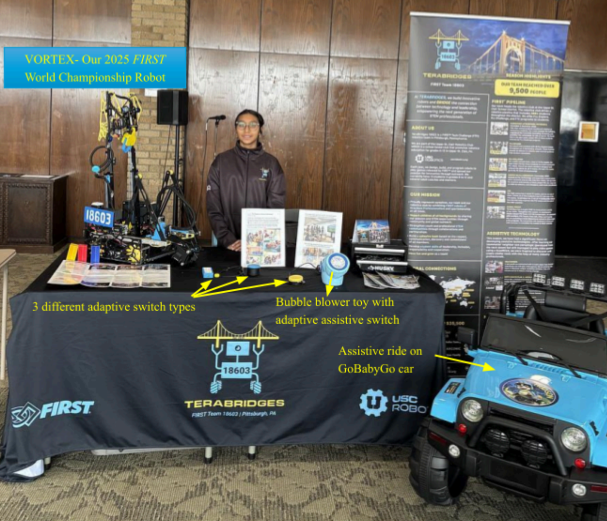
We also presented our assistive technology toys at the Inclusion Collective’s
Includ(Ed): Early Childhood Disability Inclusion Conference, held at Temple
Emanuel, Mt. Lebanon. The team has received an overwhelming response for our assistive technology initiatives resulting in partnerships and collaborations with local organizations. Our team has already received two ride-on cars as donations. These will be adapted for children with limited mobility. We also have received requests from three families for our 3D-printed adaptive assistive toys for their children with fine motor
Custom Adaptive Attachments
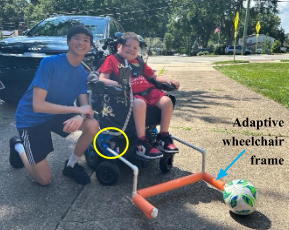
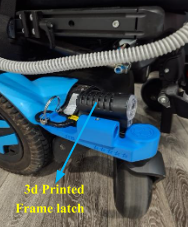
Custom Adaptive Attachments
A student in our district – a 4th grader paralyzed from the neck down, loves playing adaptive soccer in his wheelchair. His original plow attachment, however, was clunky and frustrating for both him and his parents. They reached out to our robotics team hoping for a better solution. Using CAD, one of our team members applied the same skills developed through robotics all year to design a custom adaptive attachment for Jackson. After many hours of refining measurements, 3D printing prototypes, and even adding some decorative touches, the final design is now helping this student play soccer more smoothly and enjoyably than ever before
Assistive Gaming
Through partnerships with advocacy groups like AbleGamers, the team will be
expanding their assistive technology ideas to make video games—one of the world’s most popular digital hobbies—more inclusive and enjoyable.
Industry Partnerships Advancing Assistive Technology
To ensure our solutions truly serve the children who need them most, TeraBridges continuously seeks input and guidance from experts in rehabilitation engineering and robotics. Regular industry visits and technical consultations provide critical feedback that makes improvements in our assistive technology and broadens our reach. Some of our industry visits include:
- 3d Printed Frame latch
- Adaptive wheelchair frame
- Human Engineering Research Laboratories (HERL)
- A world-class research center specializing in wheelchair and assistive robotics technologies.
- Humotech
- Providing insights into wearable robotics, mechatronics, and medical
applications.
- Providing insights into wearable robotics, mechatronics, and medical
- UPMC Rehabilitation Professionals
- Highly trained clinicians specializing in physical, occupational, and speech
therapy who help patients recover function, mobility, and independence.
- Highly trained clinicians specializing in physical, occupational, and speech
- St. Clair Health
- Leading regional healthcare system staffed by skilled medical professionals dedicated to delivering patient-centered high-quality care across a wide range of clinical services
Community Impact of our Assistive Technology (2025)
- GoBabyGo Car Donation
- Childs Way 2- Bubble Blowers
- Custom 3D printed frame for assistive soccer for a child in our community
- Sei Sanjeevani Cerebral Palsy Center – 6 Adaptive toys
- Include(ED) Conference
How to Support or Collaborate with TeraBridges
- Sponsor or donate materials (ride-on-cars, electronics, 3D printing filament,
- tools)
- Partner as a mentor (engineers, therapists, designers welcome)
- Invite the team for presentations or community events
- Share our work to encourage more inclusive engineering projects